Gallery
The pool, in real backyards
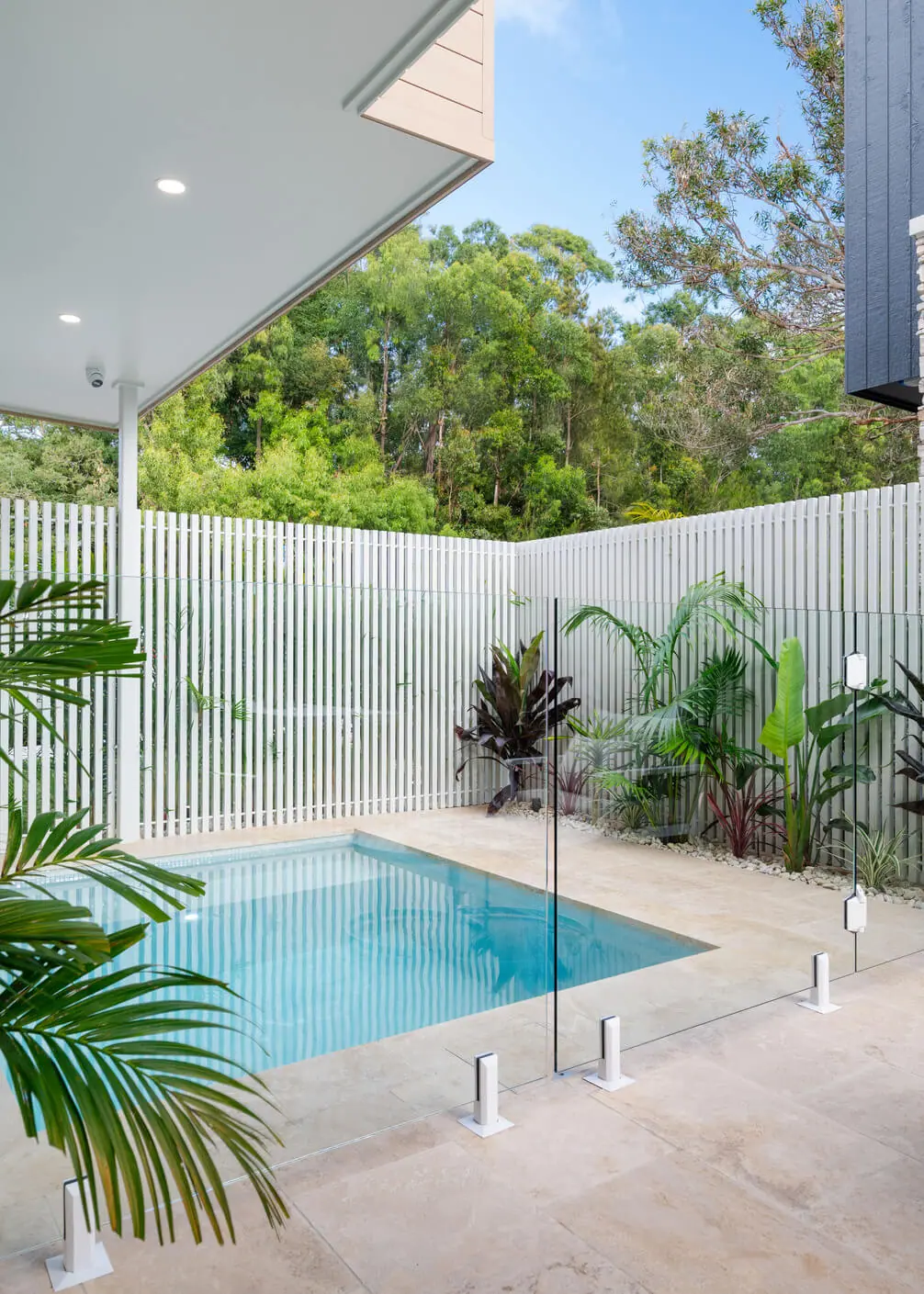
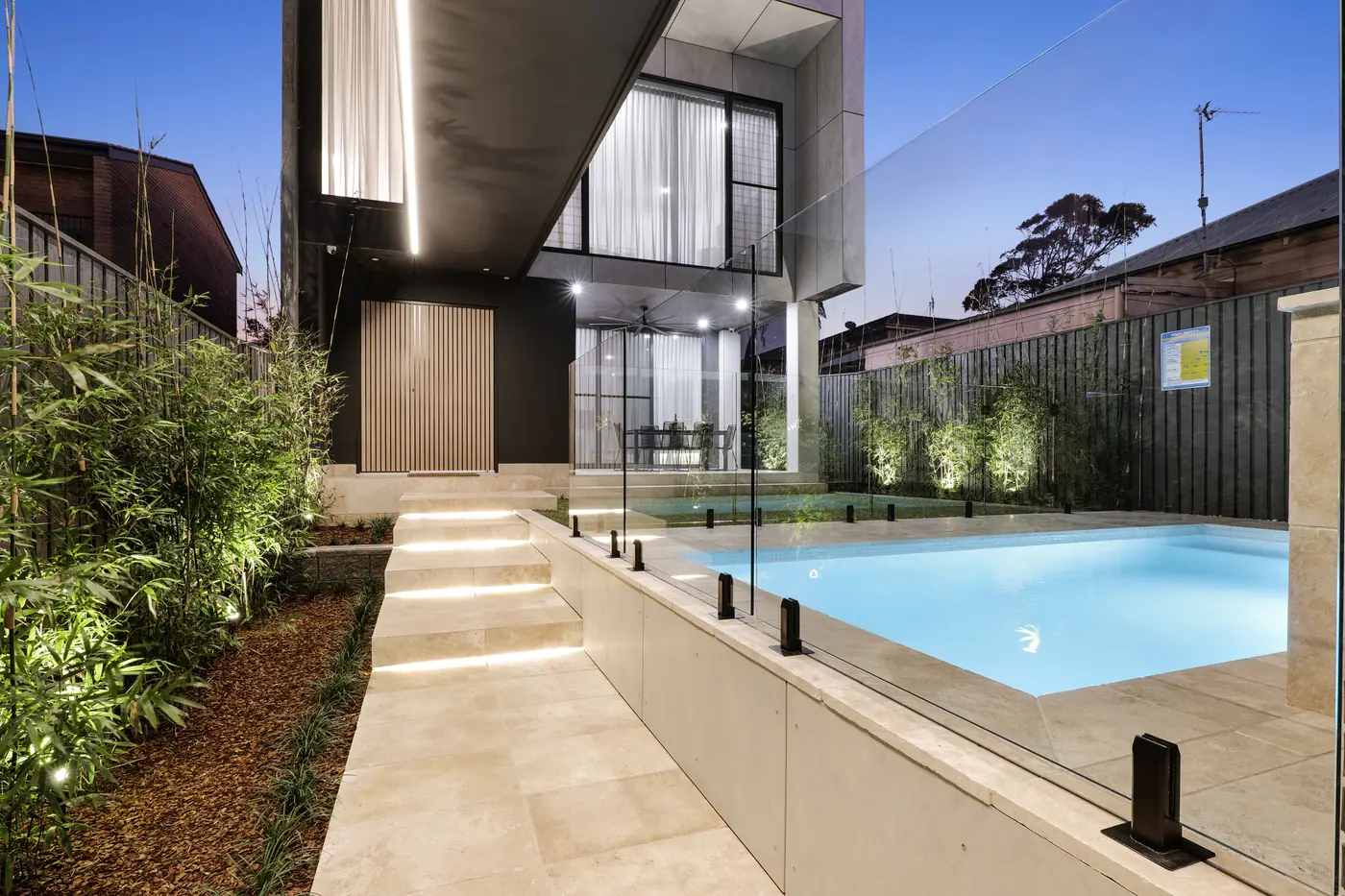
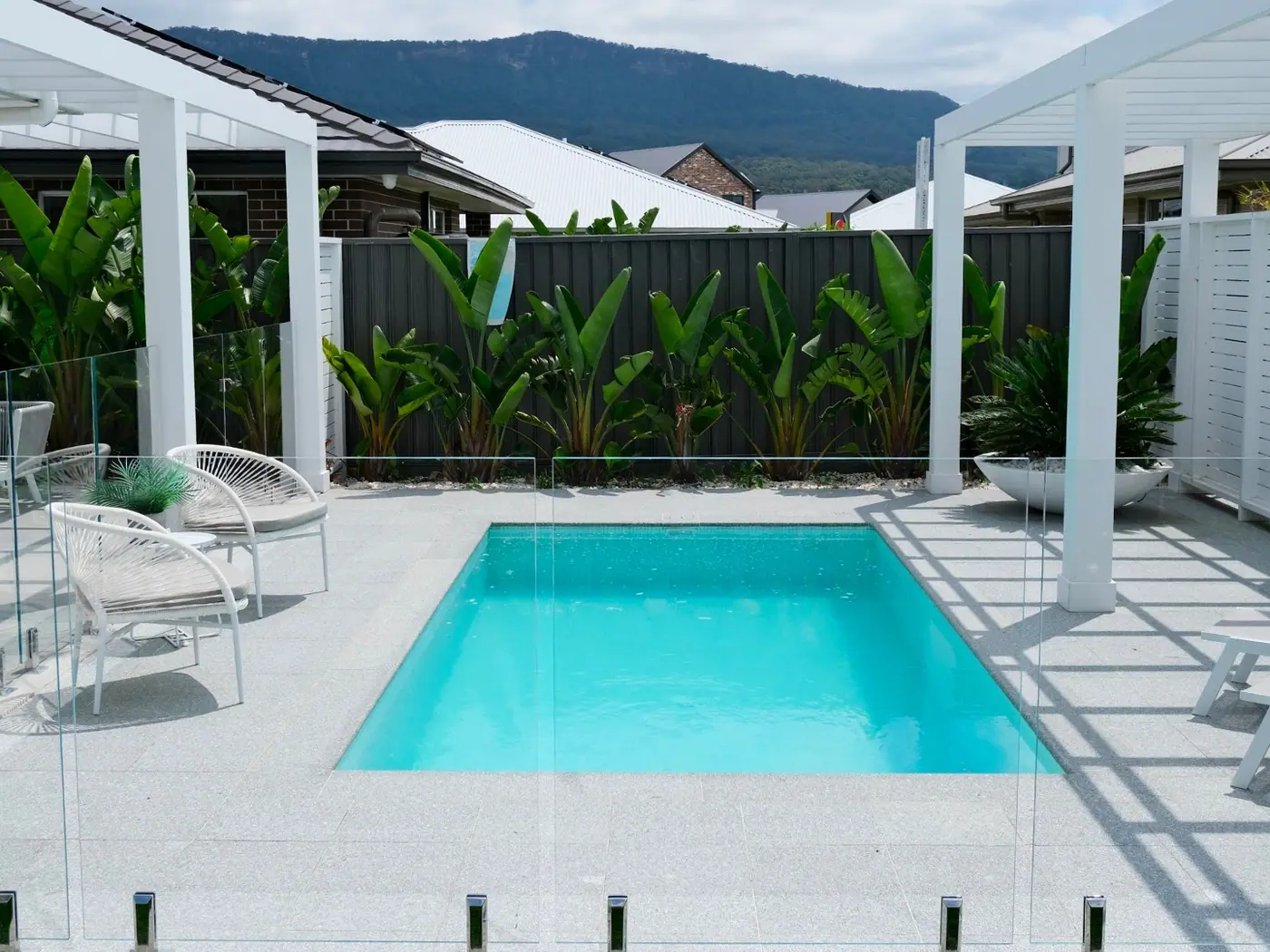
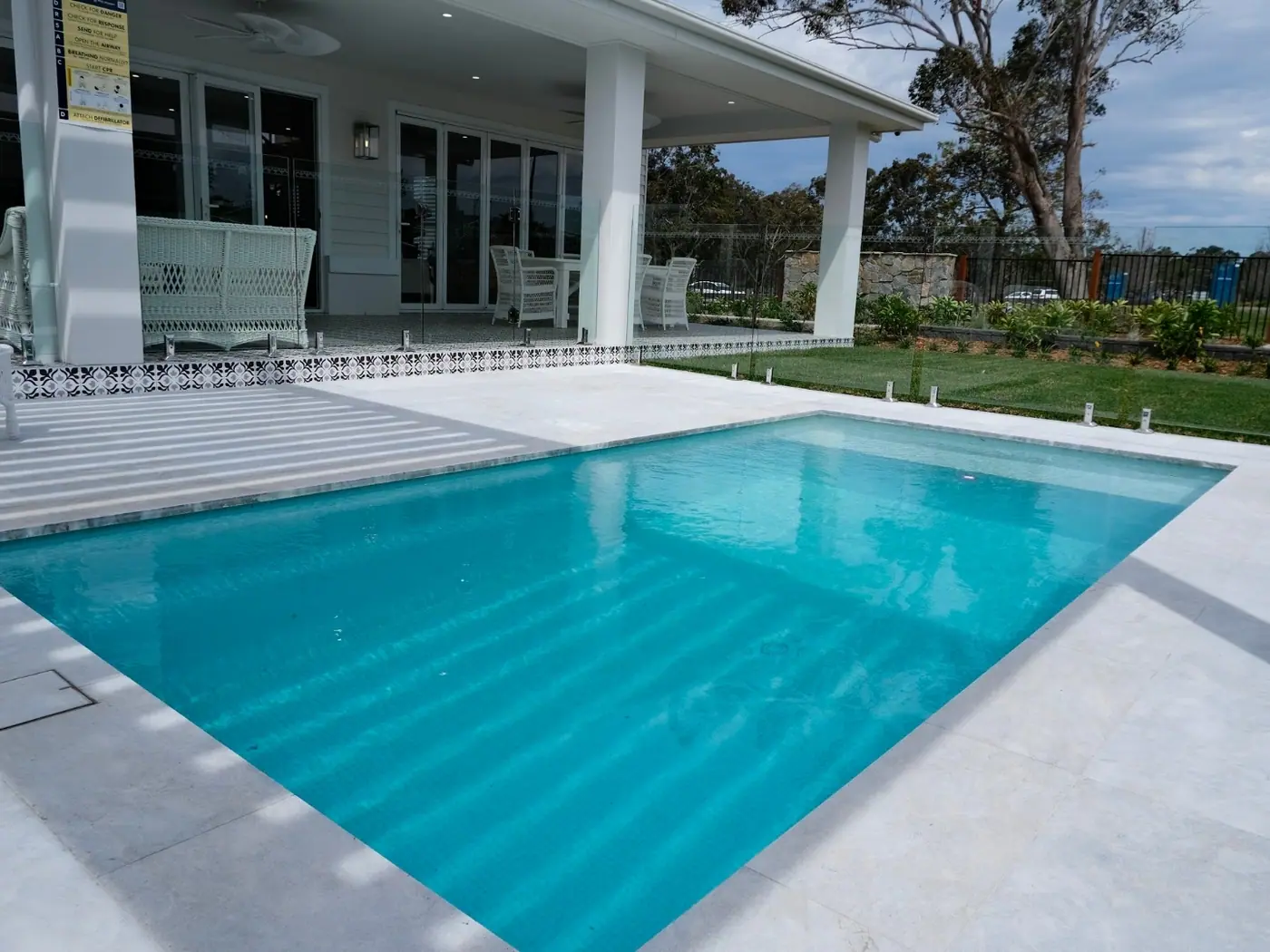
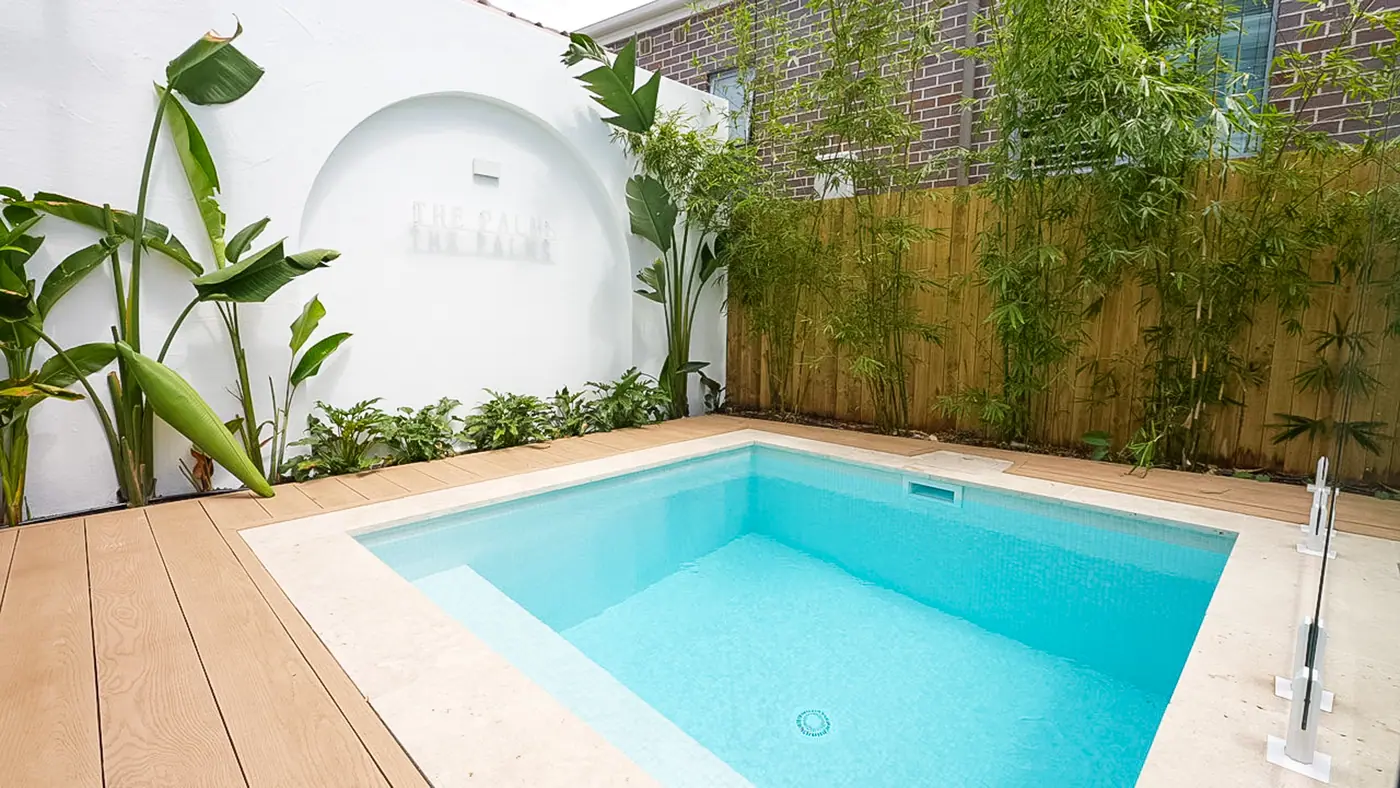
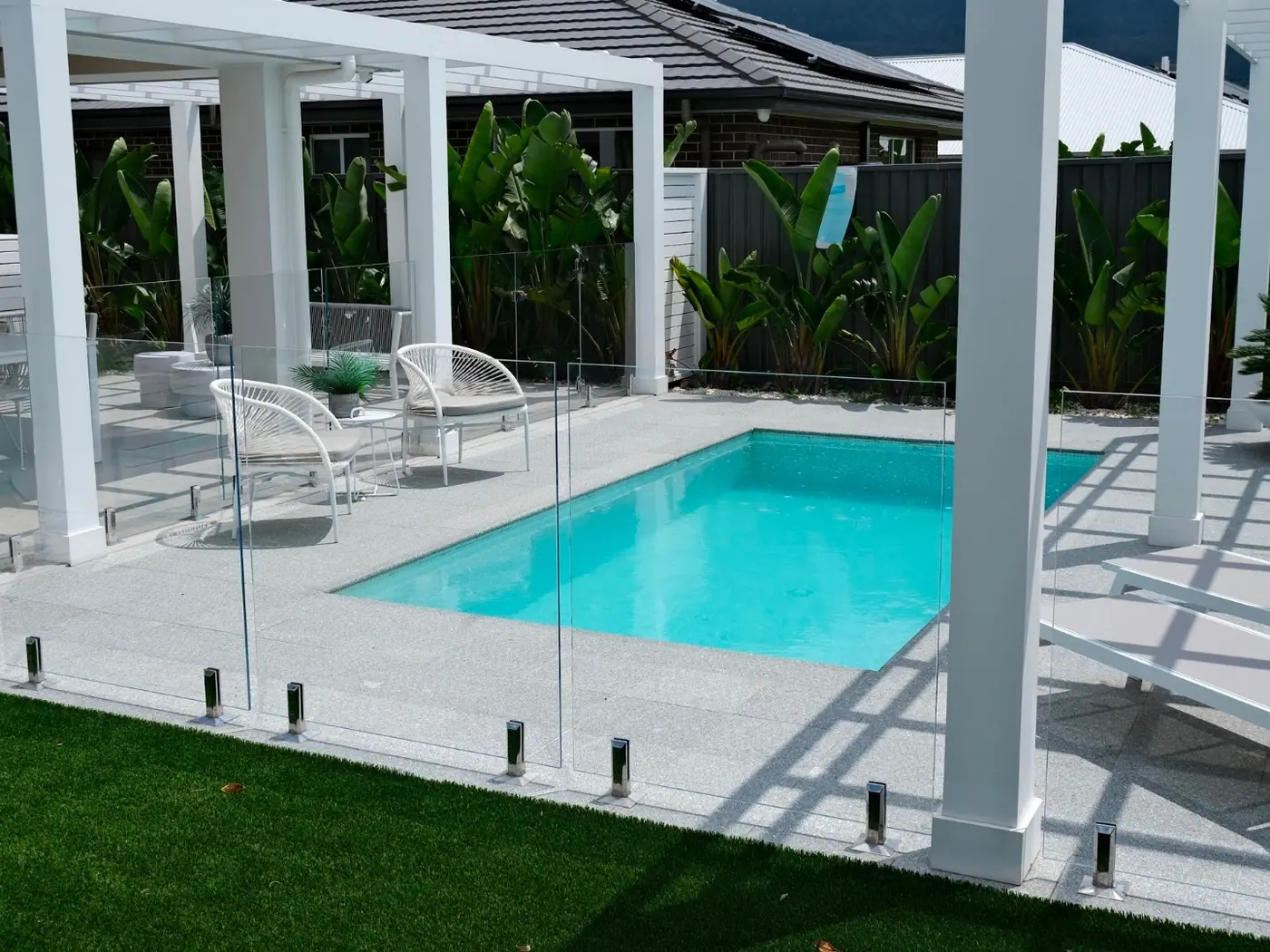
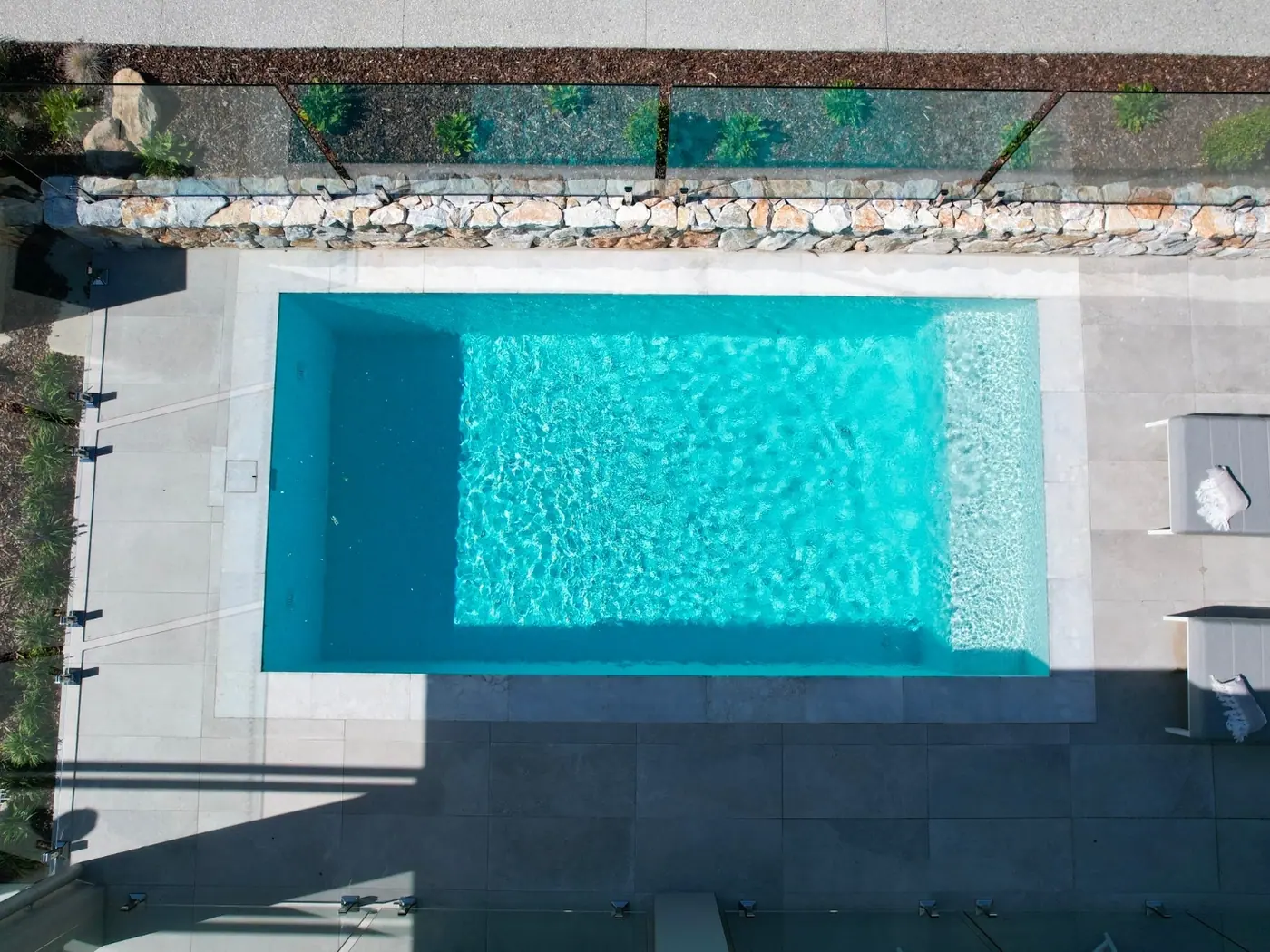
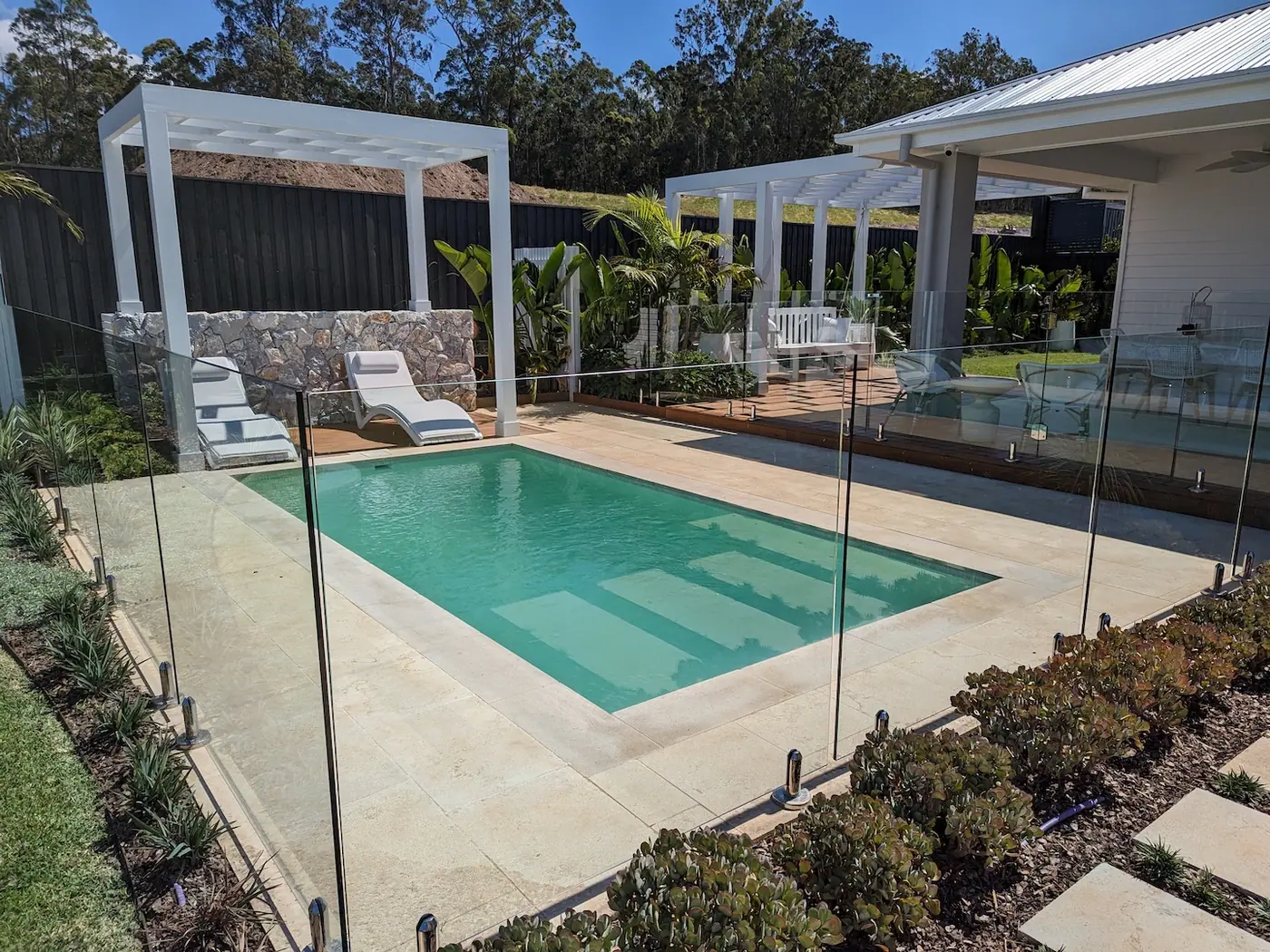
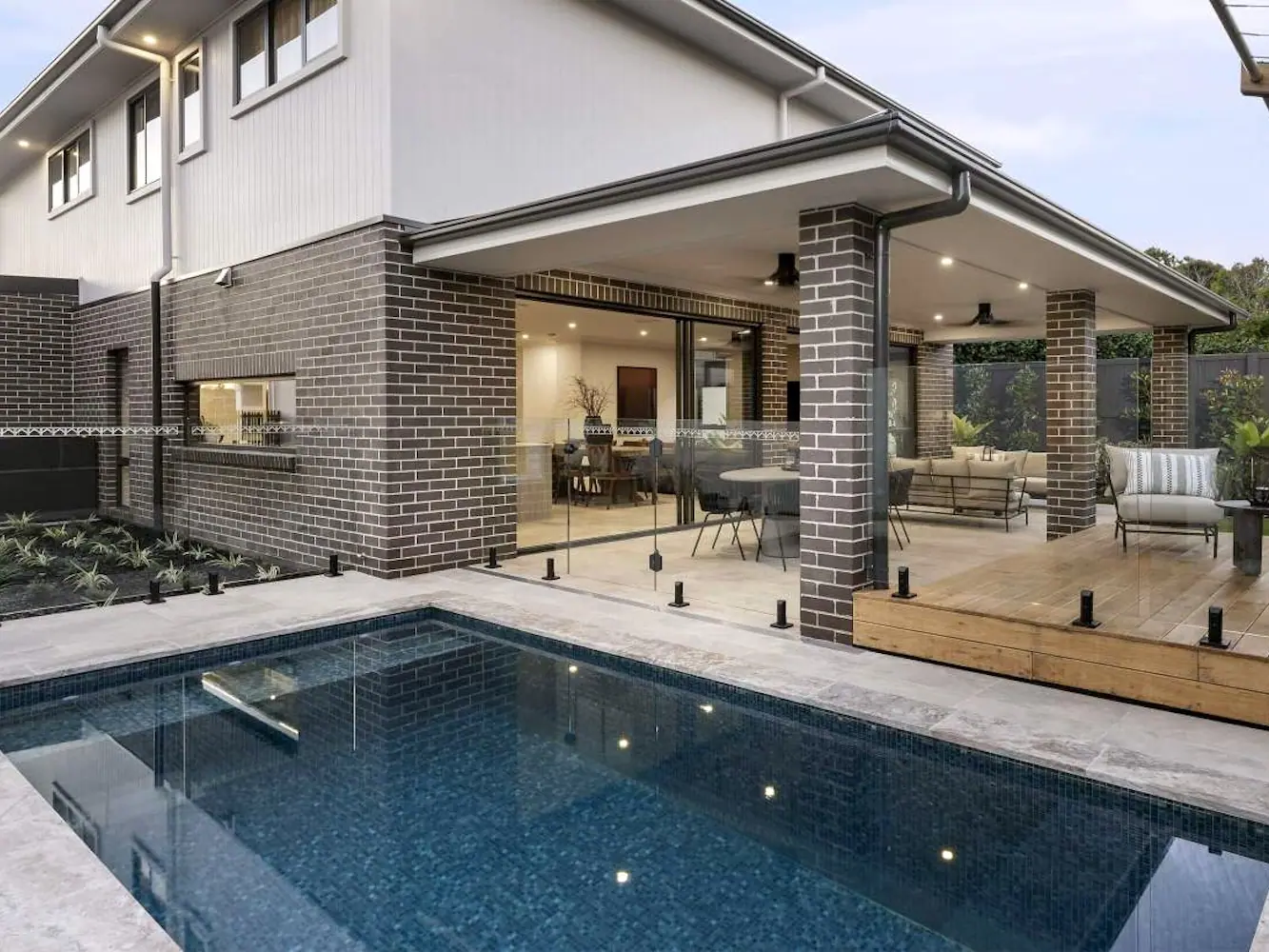
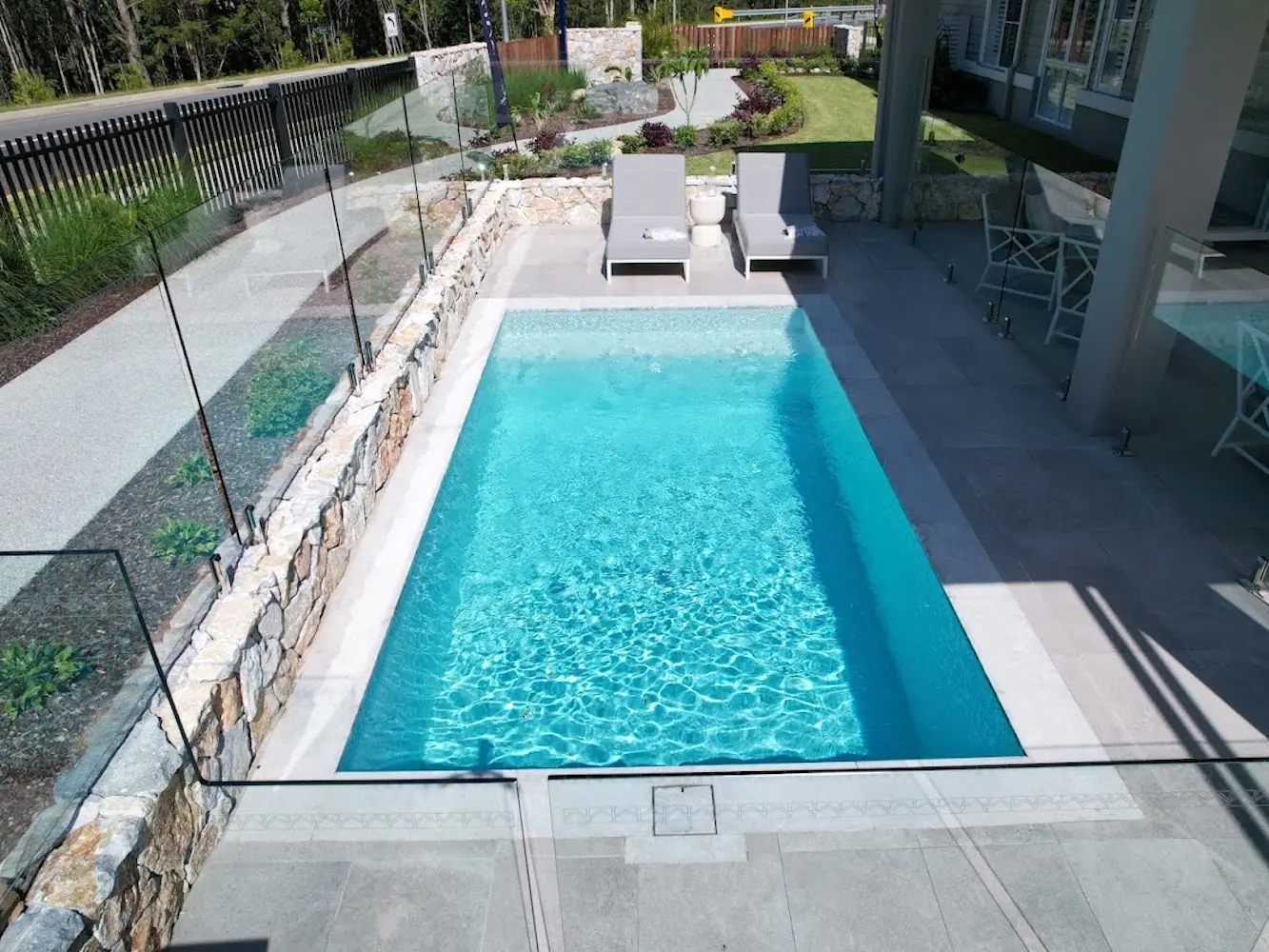
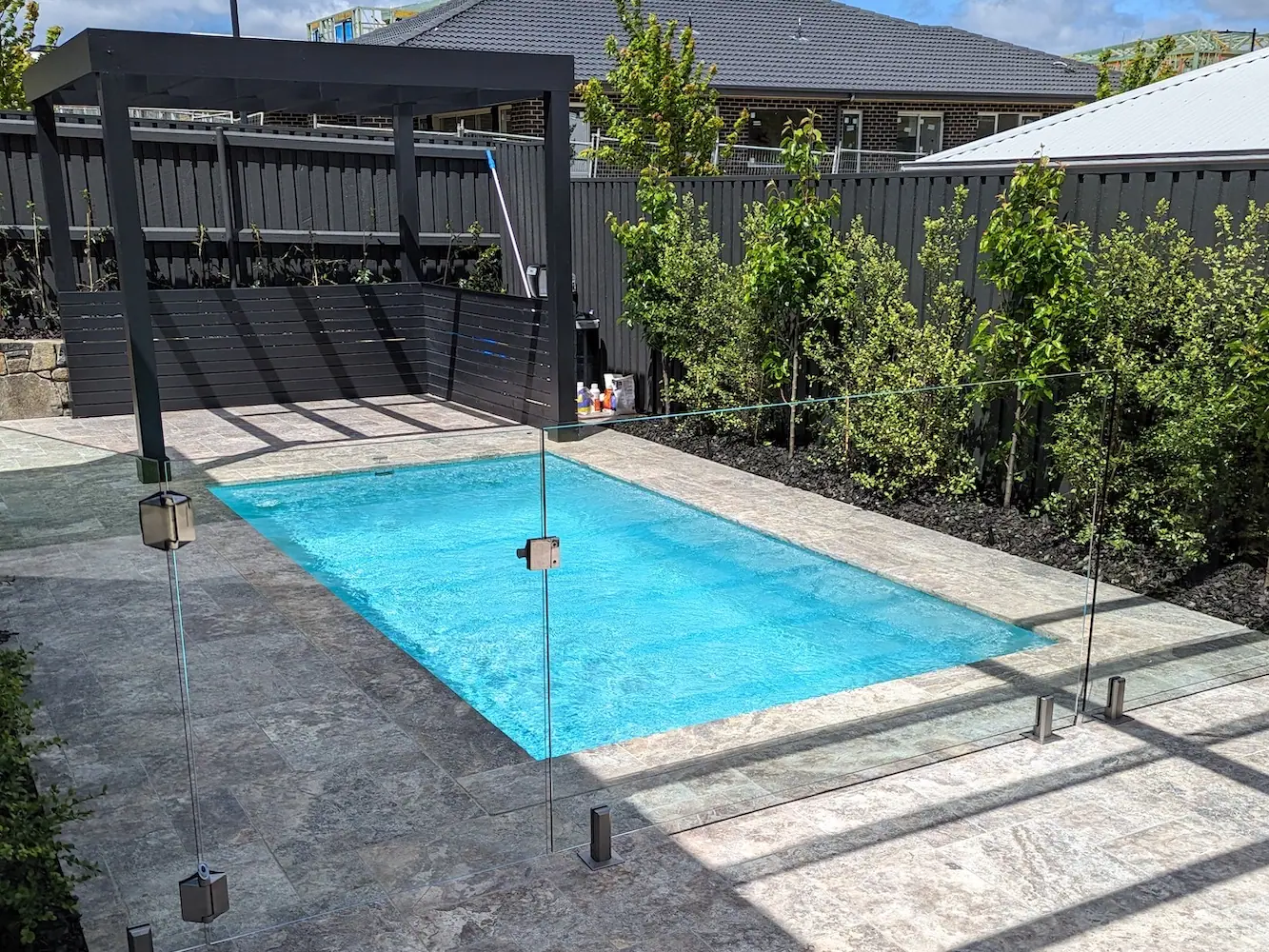
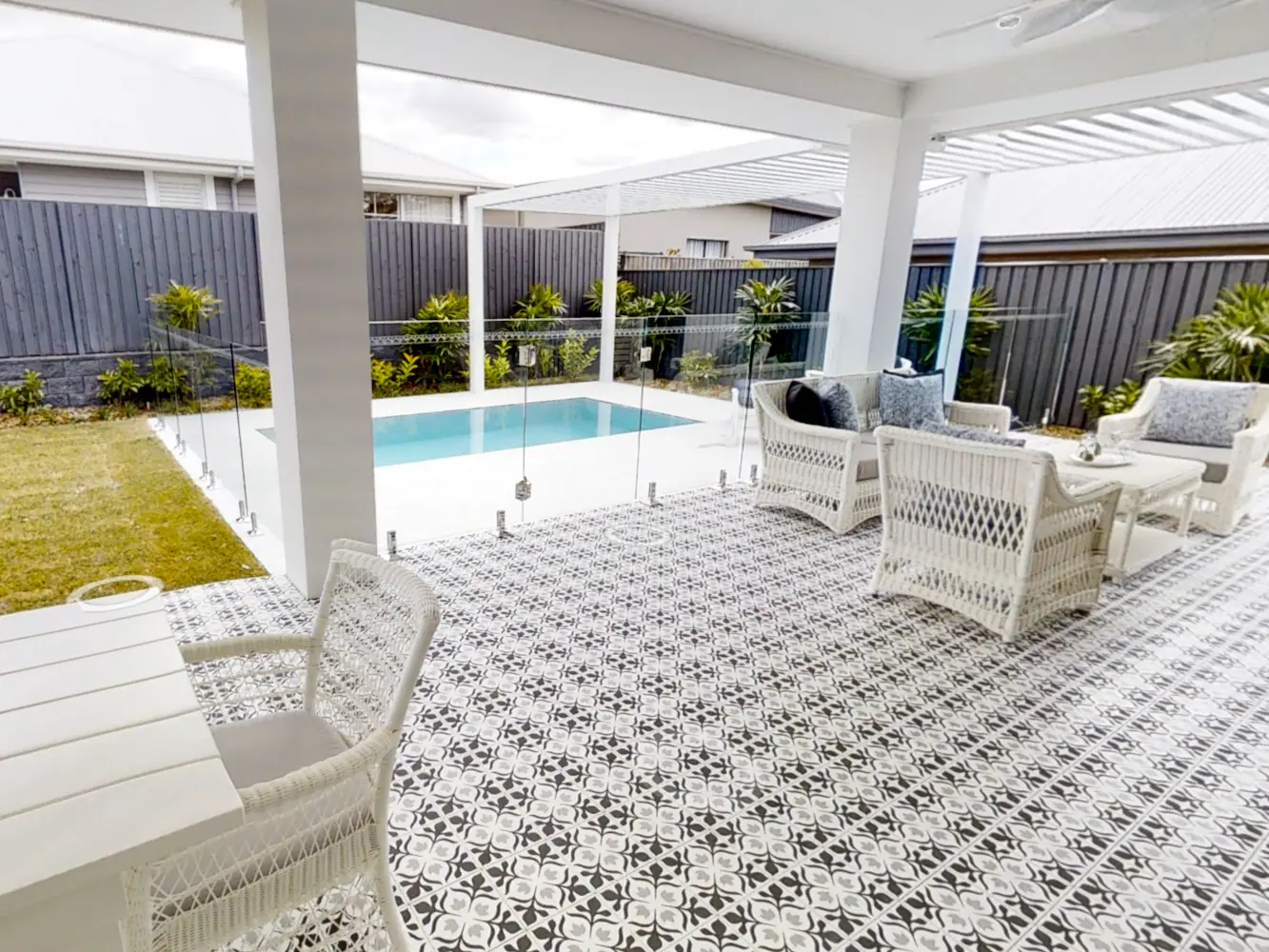
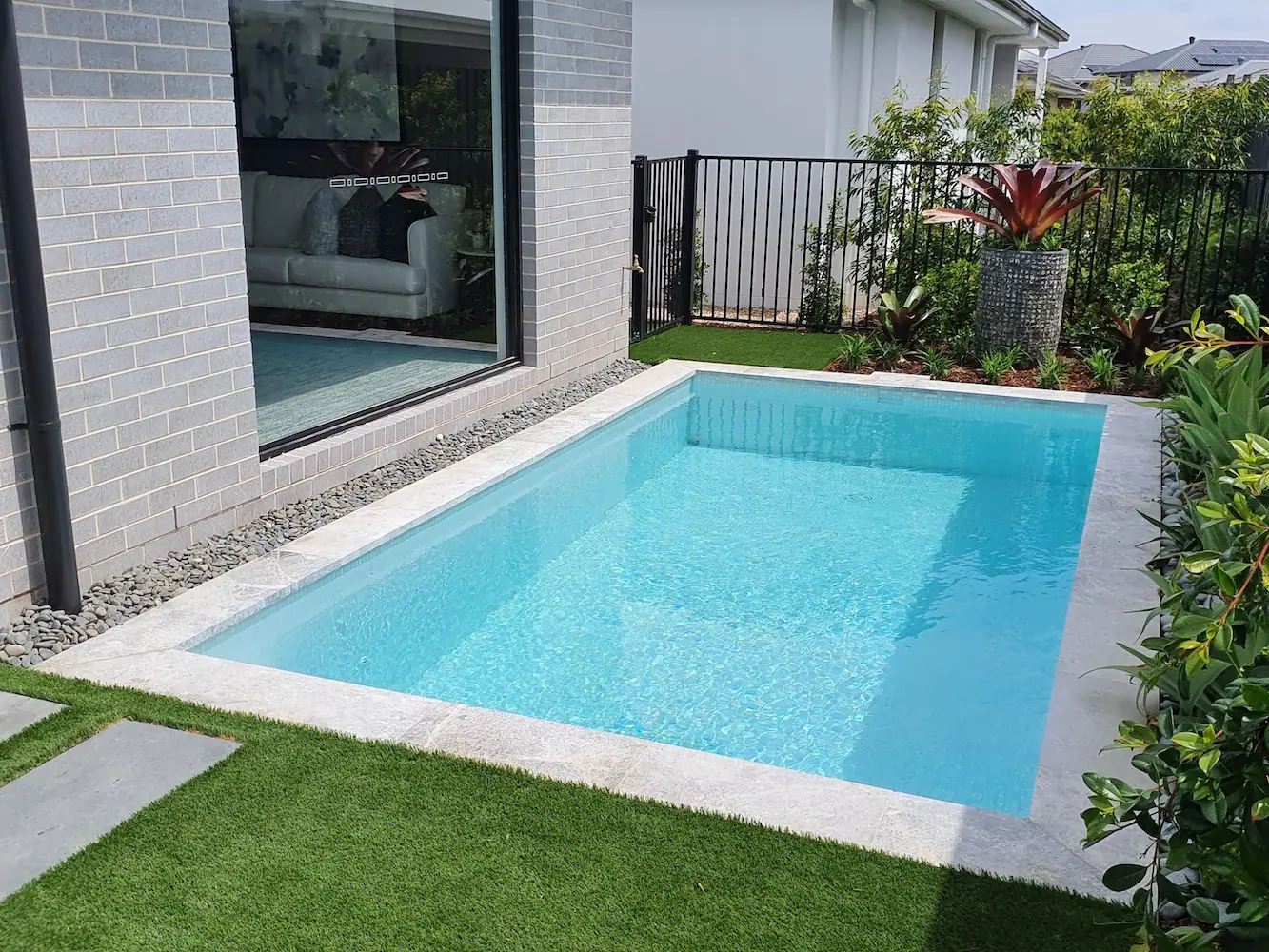
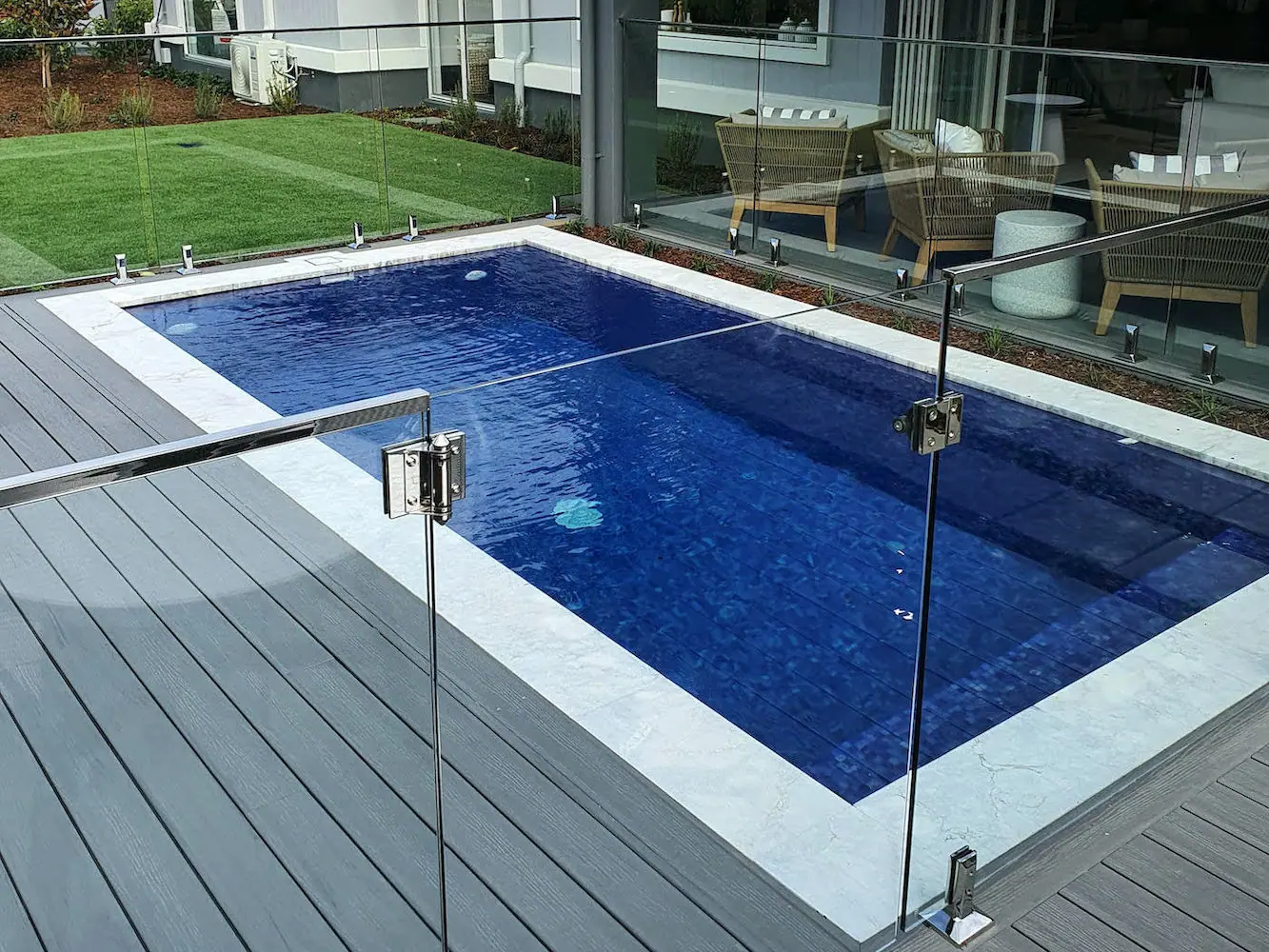
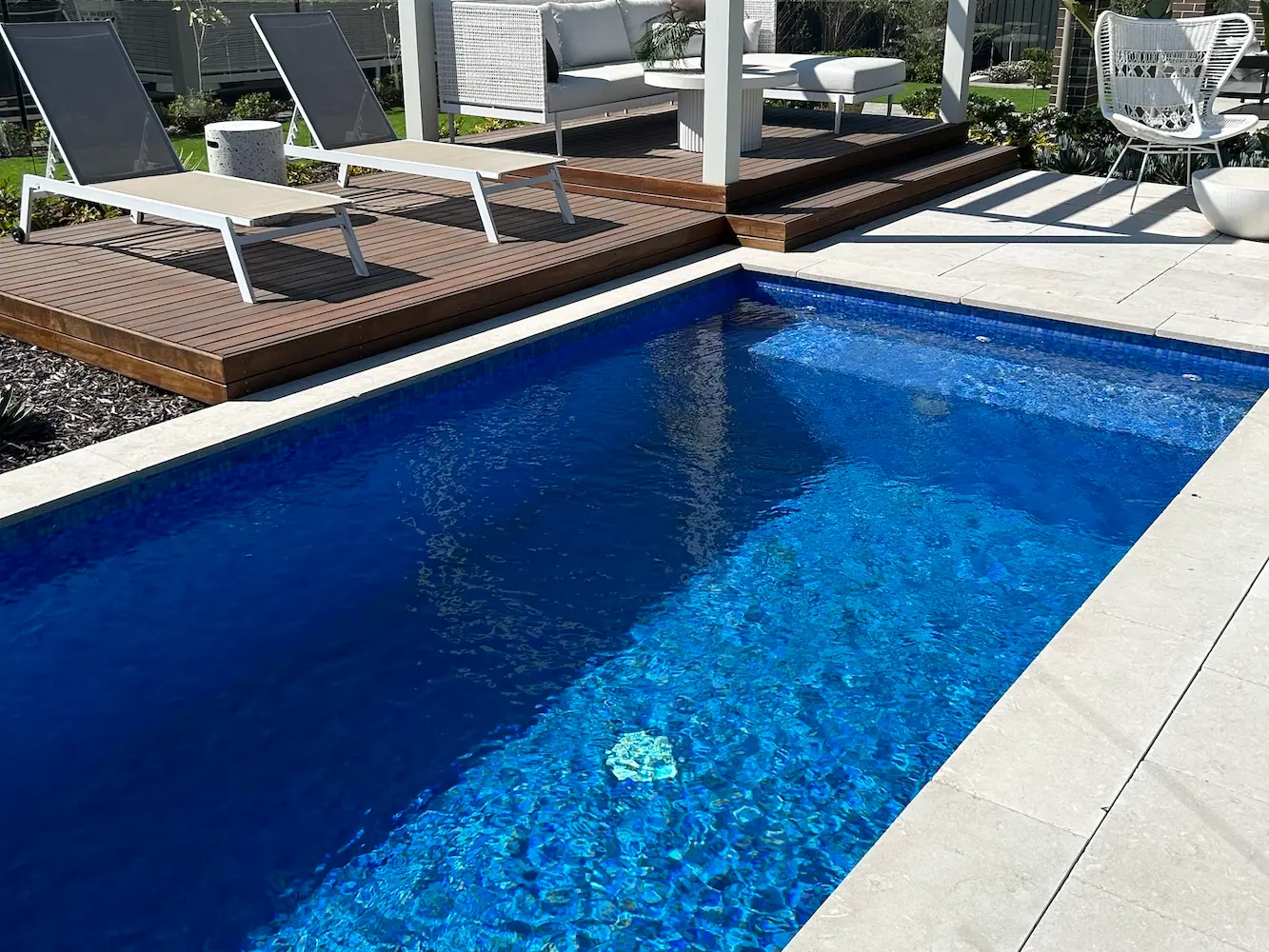
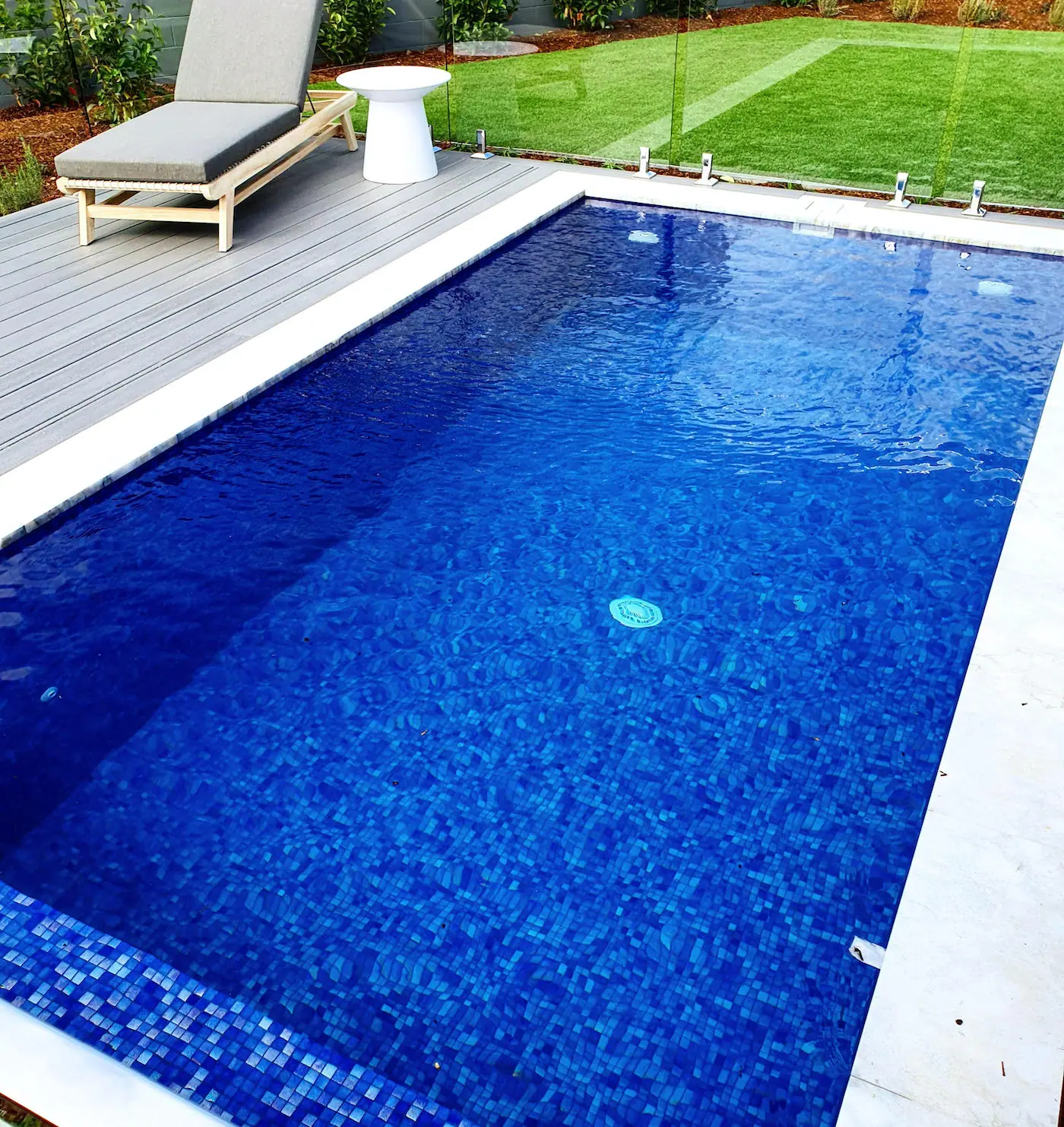
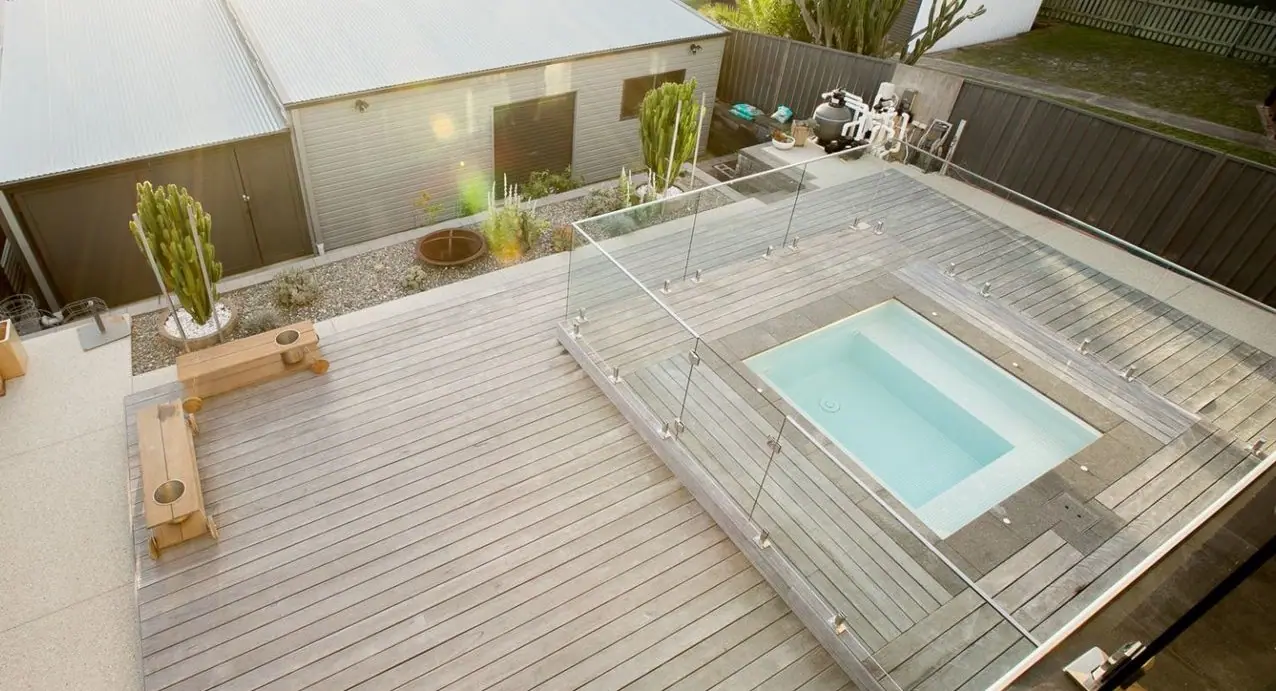
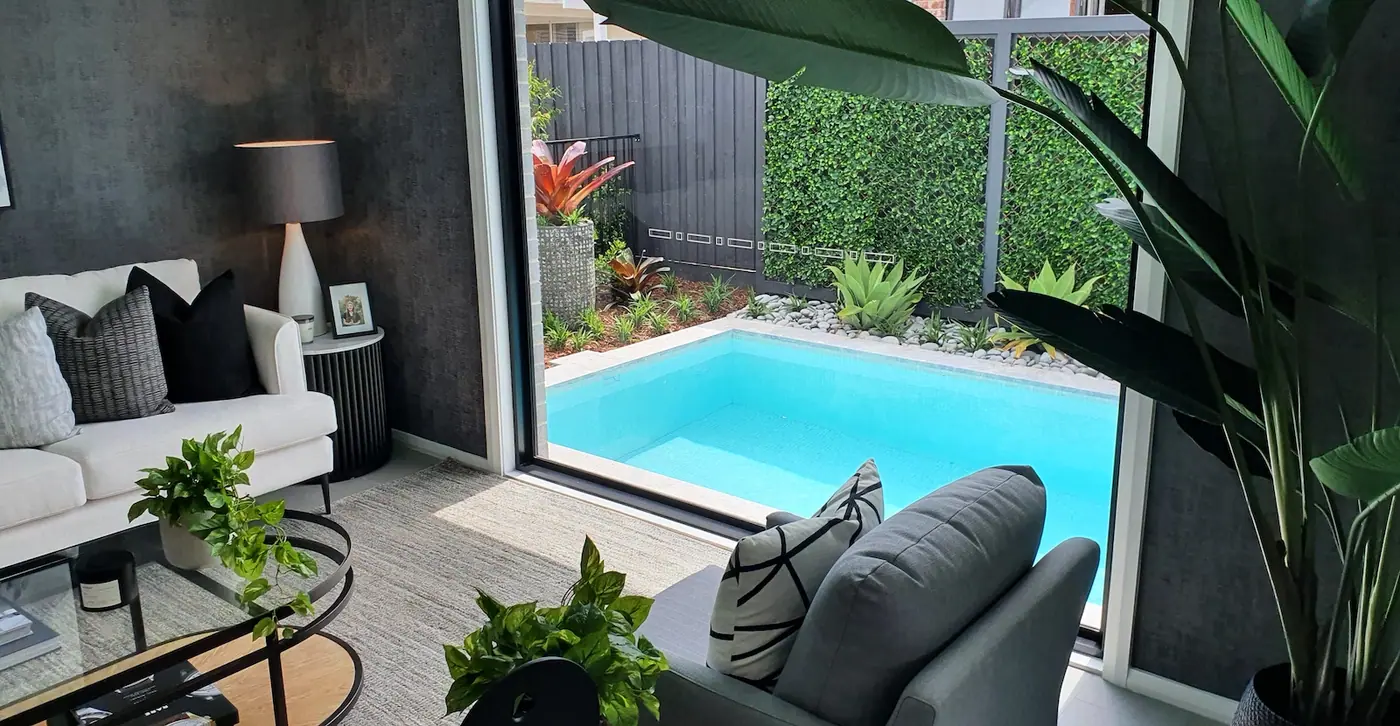
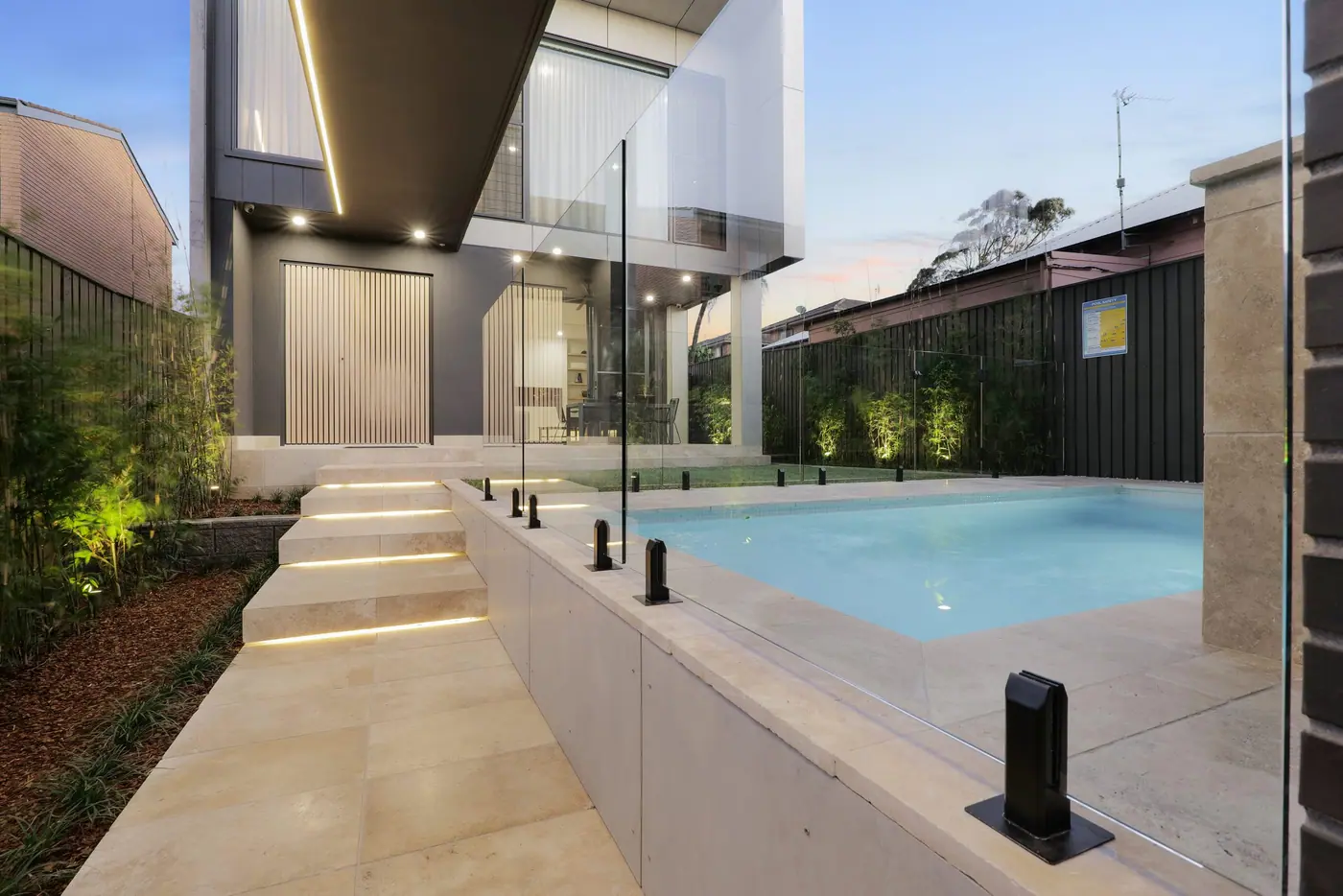
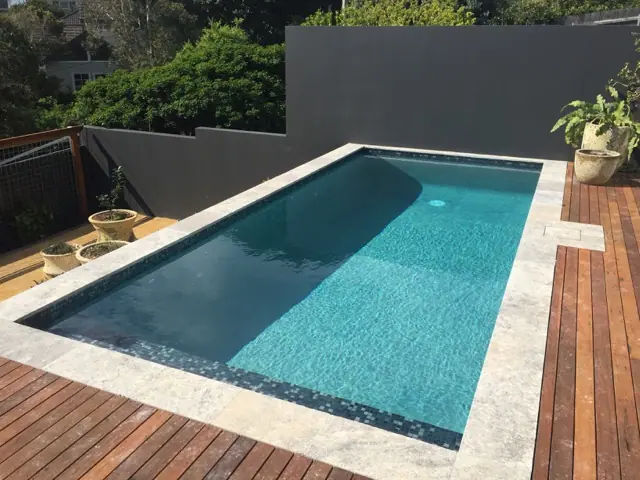
A precast plunge pool is easier to judge in a yard than in a spec sheet. These are installed examples of the range: the same shell, in different surrounds, with different tiled finishes.
What you are looking at
Product photography These photographs show the precast plunge pool range itself. They are supplied product images, not a record of jobs Nook Plunge completed, so none of them is labelled with a suburb, a date or a customer.
Nook Plunge's own completed-project photography is still to be supplied. When it lands it will be published here with the model, the finish and the location named on each one.
The range in situ
Finished pools
Courtyards, decks, sloping blocks and narrow side yards. The shell is the constant; the coping, paving, fencing and planting around it are what make each one look different.
How it goes in
The install, in four stages
The reason a precast pool is quicker on site is that most of the building already happened somewhere else. This is the order it runs in.
-
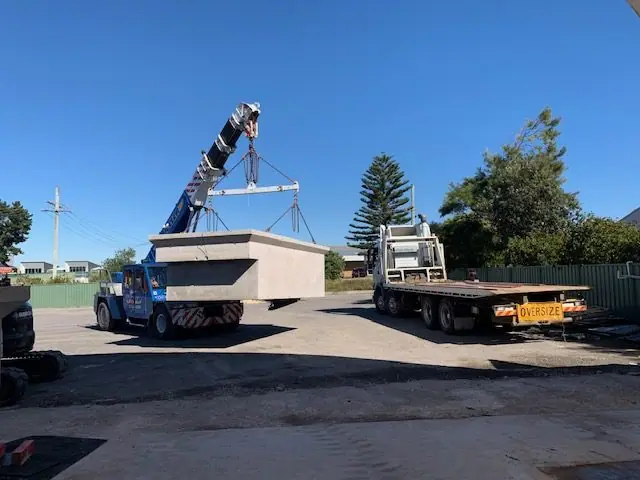
The shell is finished before it leaves
The pool is cast in concrete off site and cured under controlled conditions. Tiling, plumbing penetrations and the finish are all done before it goes anywhere. What leaves the yard on the truck is a complete pool, not a kit.
-
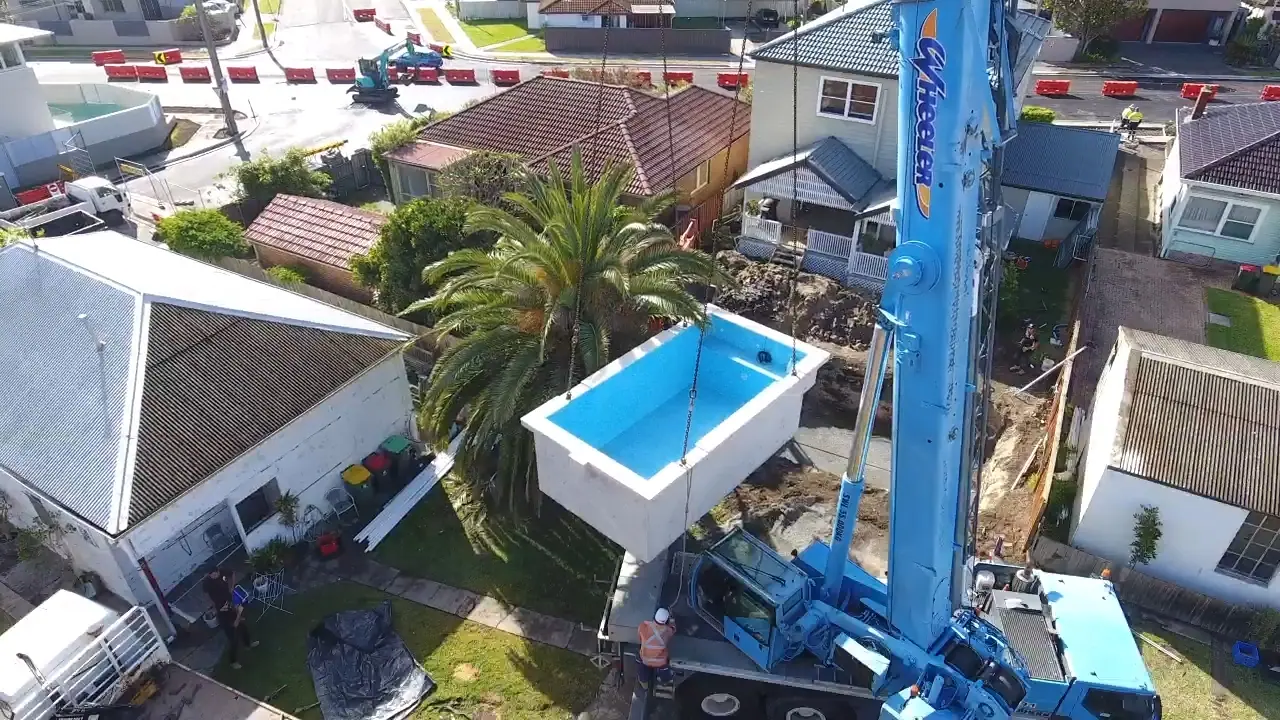
It arrives and the crane takes over
The truck delivers to the kerb and a crane does the rest. Depending on the site that can mean lifting the shell clear over the roof of the house, which is why access, overhead lines and crane standing room get assessed long before the delivery date.
-
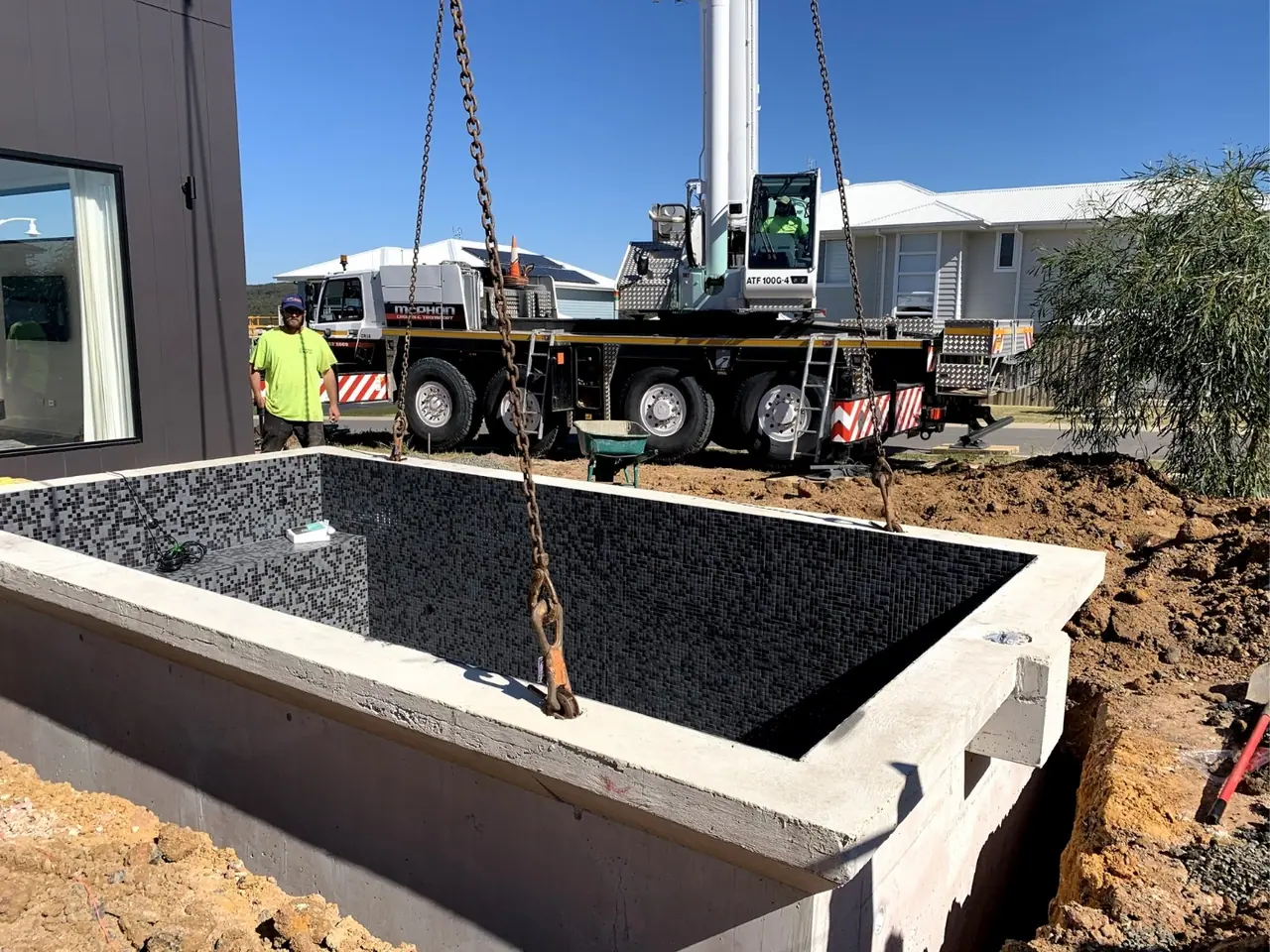
The shell is set into the excavation
The hole and base are prepared ahead of the delivery so the shell can be lowered straight in and set to level. This is the part people picture as months of work on a poured pool. Here it is measured in hours.
-
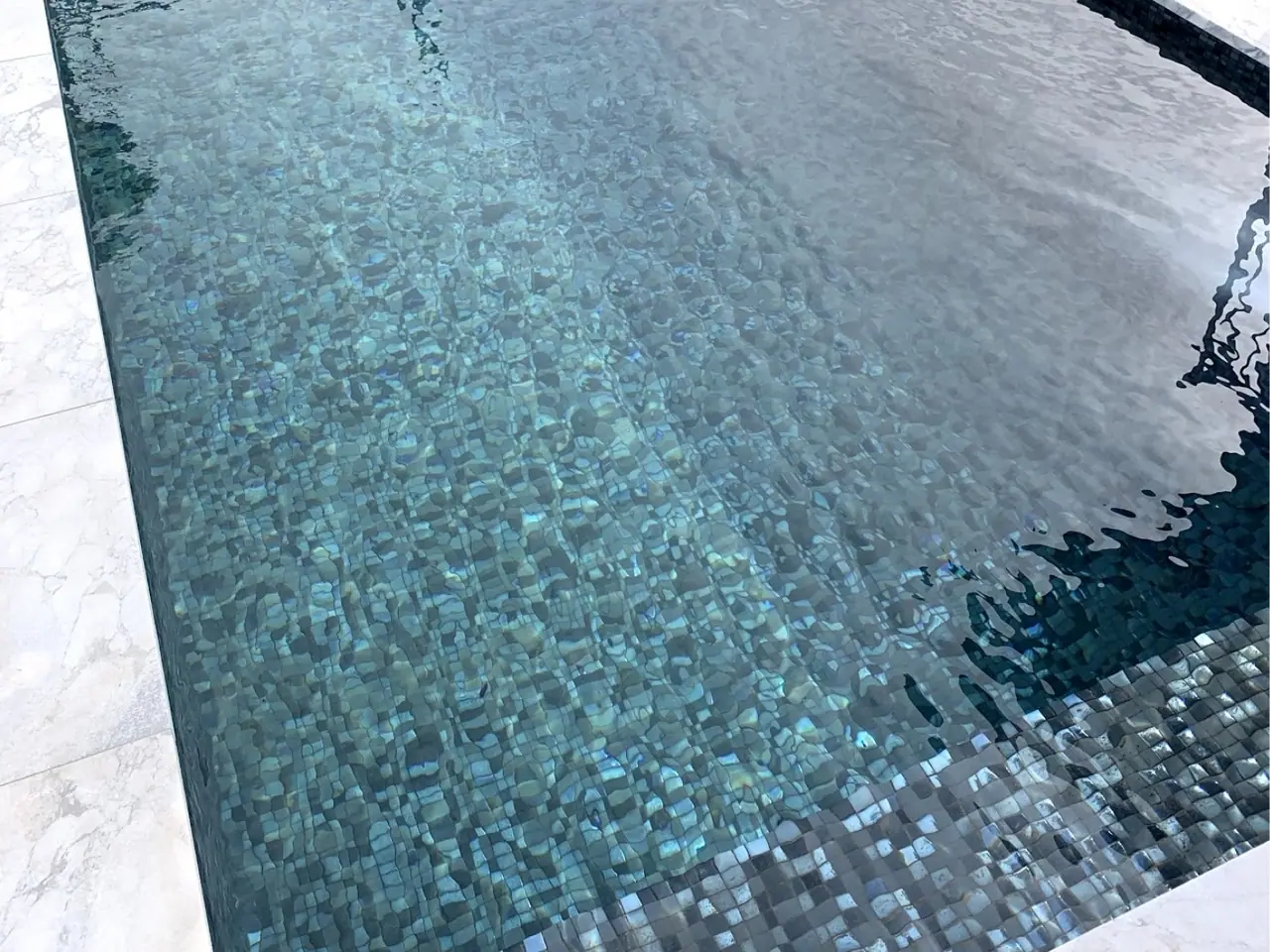
Backfilled, connected and filled
Once the shell is set and levelled it is backfilled, the plumbing and equipment are connected, and the pool is commissioned and filled. Paving, decking and fencing follow afterwards, to whatever you have planned for the surrounds.
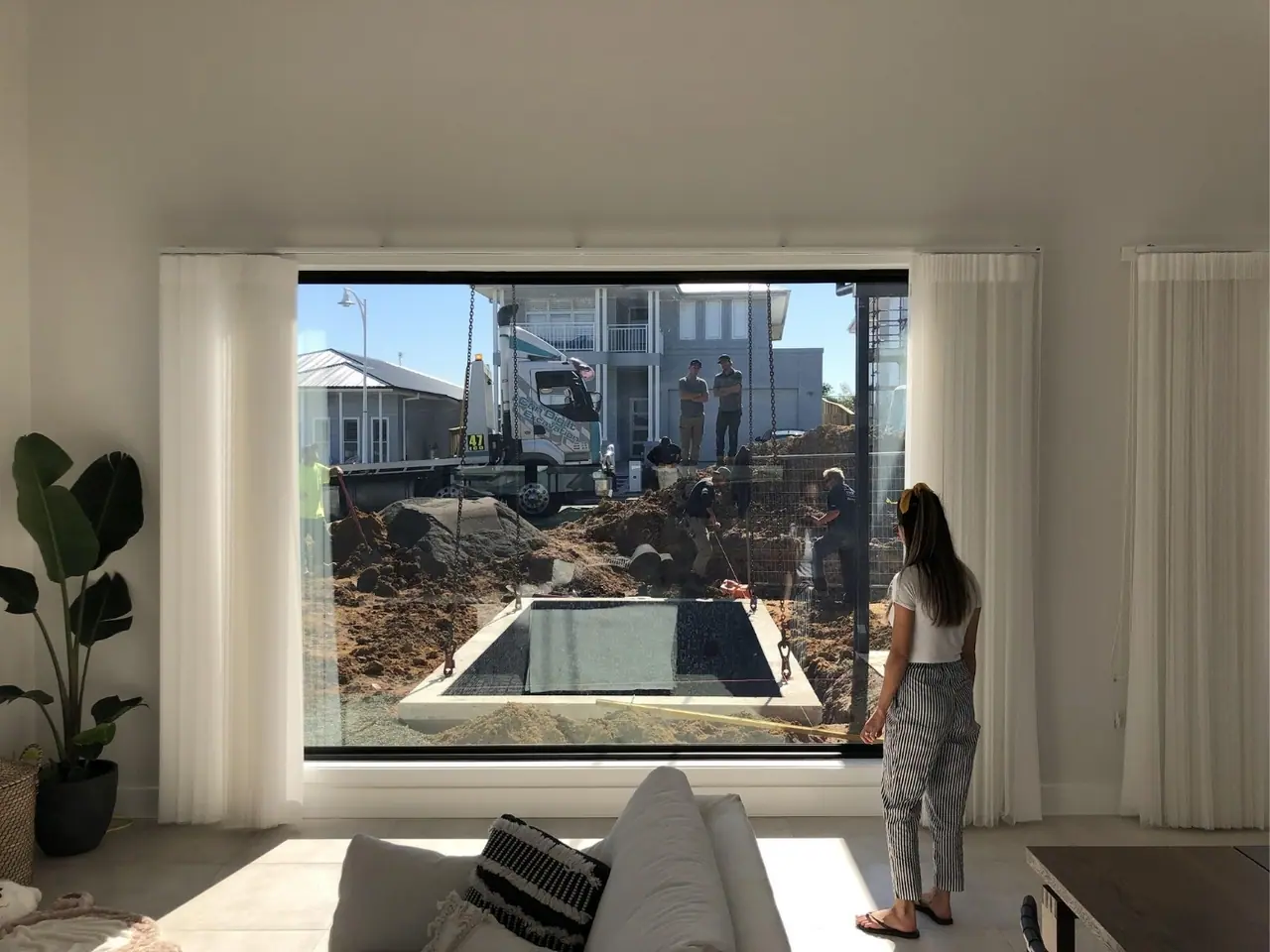
What it looks like from inside
One delivery day, not a building site
The disruptive part of a precast install is the excavation and the lift. There is no months-long run of formwork, steel fixing and curing in the middle of your yard, because all of that happened before the truck arrived.
Read the common questionsPick the size
Six models across the range. The number in the name is the pool's length in metres.
See one in person
A tiled interior reads differently in daylight than it does on a screen.
Check your access
Crane room, overhead lines and ground conditions decide what is possible on your block.
Planning a pool?
Tell us about your site and we will come back to you with a real proposal.
Get an estimate